Slow Pedagogy and Montessori Education

So much of childhood these days feels like a rush. School timetables are packed, after-school activities fill up the week, and even young children are swept along in the current of “what’s next?” and all of this hurry, it’s easy to lose sight of the quiet, meaningful moments where real learning and growth take place.
This is where the idea of slow pedagogy offers something refreshing. It’s a gentle reminder that children don’t need to be hurried. They need time, time to explore, to make sense of things in their own way, to wonder and to enjoy being children. And when we look closely, slow pedagogy feels like a natural companion to Montessori education. Both encourage us to trust the child’s rhythm, honour their curiosity and believe that learning is richer when it unfolds at the right pace.
What is slow pedagogy?
Slow pedagogy grew out of the Slow Movement. At its heart, it’s about resisting the pressure to race ahead and instead choosing to savour the process. Think of a meal cooked slowly, with care – the flavours are deeper and more satisfying, and learning is much the same. When it’s allowed to unfold gently, it has the chance to sink in, to be enjoyed and to become part of who the child is.
Slow pedagogy isn’t a rigid method. It’s more a mindset, guided by a few simple principles:
- Being with children: taking time to tune in and truly SEE them.
- Going with the flow: welcoming those unexpected questions and detours that often lead to the best discoveries.
- Diving deep: returning to ideas and activities again and again, allowing understanding to grow layer by layer.
- Taking the longer view: remembering that education is a journey, not a destination. Take it all in the child’s stride.
It’s not about doing less. It’s about doing things more thoughtfully, with presence and care.
The benefits of slowing down
Children flourish when life slows down a little. The benefits are felt not just in their learning, but in their wellbeing and relationships too.
- Deeper learning: children master skills when they have time to practise without pressure.
- Wellbeing: calmer environments nurture focus and ease anxiety.
- Stronger connections: unhurried time builds trust between children, teachers and families.
- Curiosity and creativity: without the clock ticking, children follow their interests more freely.
- Respect for individuality: every child moves at their own rhythm, and that’s celebrated.
Most importantly, slowing down reminds us that childhood is fleeting and this time is so incredibly valuable. It’s not only preparation for the future but a stage of life worth treasuring in the present.
Montessori and Slow Pedagogy
Maria Montessori spoke about following the child and respecting their inner timetable – a cornerstone approach within Montessori principles and practices. Her approach was never about rushing but about creating the right conditions for each child’s potential to unfold. This is why Montessori and slow pedagogy fit so beautifully together.
When you enter a Montessori classroom, you see:
- Uninterrupted work cycles give children long stretches of focus without rushing them.
- Respect for sensitive periods as windows of readiness when children are naturally drawn to certain skills.
- A prepared environment where materials stay available so children can return to them again and again.
- Teachers as guides who step back so children can move at their own pace.
- Whole-child development that truly sees education as much more than academics.
Why it matters today
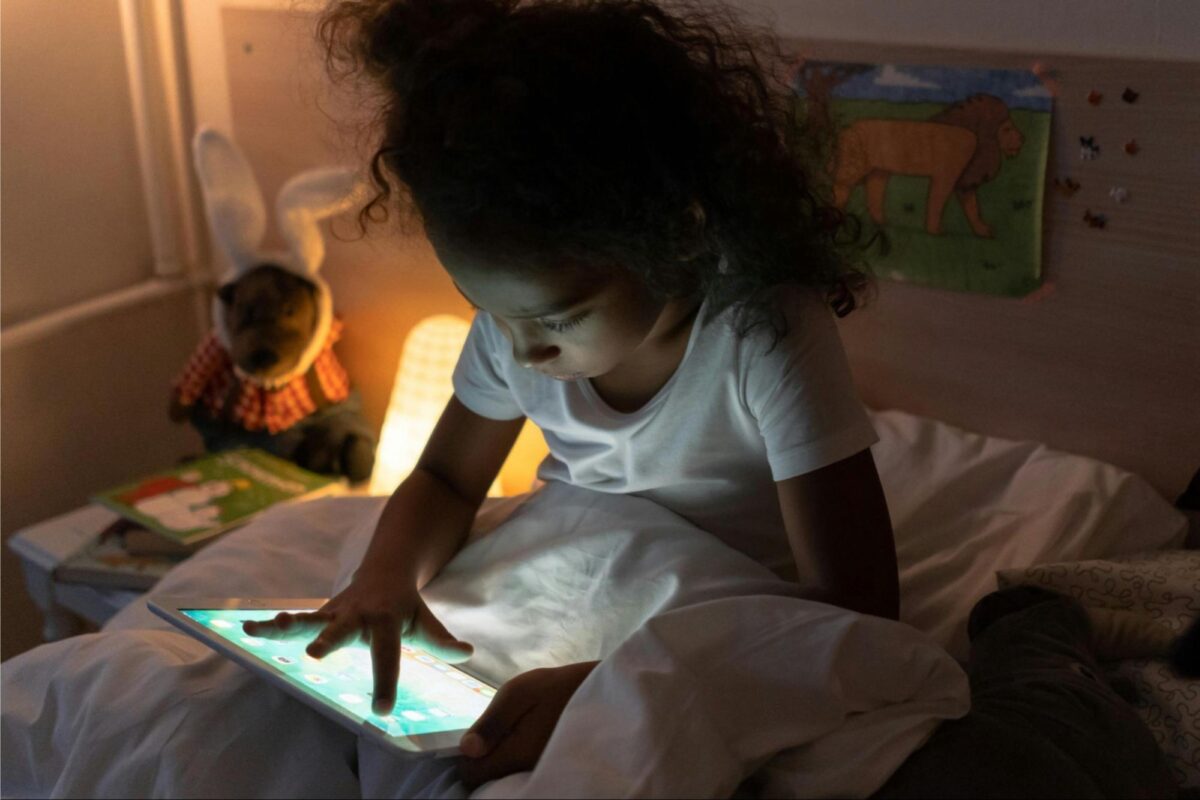
Modern childhood can feel overwhelming, but does it really need to be? Between school, sports, homework and unnecessary screentime, children rarely get the chance to simply “be”. The risk is that wonder, play and deep exploration are squeezed out – and this is incredibly detrimental to the developing individual. Slow pedagogy pushes back against that pace. It reminds us that children don’t fall behind by slowing down; however, in fact, they gain something precious: resilience, creativity and the chance to develop a love of learning that lasts.
For parents, this is reassuring. Choosing a slower rhythm doesn’t mean compromising on success. It means giving your child the time and space to grow into their fullest selves. Slow pedagogy isn’t a trend. It’s a response to the way life has become so hurried, even for our youngest children. By slowing down, we give learning back its depth and restore balance to childhood.
Montessori education already embodies so much of this approach. It trusts the child’s pace, values hands-on discovery and sees education as a lifelong journey. Together, Montessori and slow pedagogy remind us of something simple yet powerful: learning isn’t a race. When we give children time, we give them more than knowledge. We give them space to wonder, to connect, and to truly be. And perhaps that is the greatest gift we can offer – slowness.