Becoming a parent is one of the most extraordinary experiences of life. In those first weeks, as you hold your tiny newborn in your arms, it can feel both overwhelming and magical. The quiet moments of gazing at their face, the joy of the first sleepy smile, and even the exhaustion of late-night feeds all come together in a season that is both tender and fleeting. Alongside the daily rhythm of caring for your baby, many parents begin to wonder how they can give their child the best start. For some families, this leads to exploring Montessori. While many people think of Montessori as something that begins at preschool, the philosophy actually starts from birth. Montessori with infants is about creating a calm and respectful environment where your baby can develop naturally, at their own pace and in their own time.
But where do you begin?

Maria Montessori’s work was grounded in the belief that children should be treated with dignity from the very beginning of life. She described infants as “spiritual embryos,” arriving into this world with extraordinary potential, ready to absorb their surroundings and begin the process of building themselves as human beings. For infants, Montessori is centred on respect, observation, environment, and trust. Respect means seeing your baby as a whole and capable human being from day one.
The art of observation is key as a parent with an infant – and something we do innately from day one, maybe even before they’re born. We watch for their cues; are they hungry? Are they rubbing their eyes out of tiredness? Observing your infant is about slowing down to truly notice what your baby is showing you, whether that is a fascination with your face, a desire to grasp, or the beginnings of rolling onto their side. Preparing the environment for their emerging needs means creating a space that supports their need for movement, exploration of their space and a sense of calm.
This way of thinking and being with your infant is both deeply reassuring and simple. Rather than feeling pressure to rush or fill every moment with stimulation, Montessori encourages us to step back and allow our baby to lead and showing us what they need. It is not about doing more, but about doing less with greater care. For example;
- Instead of rotating through a dozen plastic toys that light up and make noise, you might offer one or two simple wooden objects and observe how your baby explores them.
- Rather than keeping your baby contained in swings or bouncers for most of the day, you can give them space and freedom on the floor to wriggle, stretch, and begin to move.
One of the most practical ways to bring Montessori into your baby’s life is through preparing your home environment. This does not need to be expensive or elaborate. In fact, the beauty of Montessori is in its simplicity and intentionality. A safe movement area is a wonderful starting point; this can be a soft rug or mat on the floor, with a low mirror securely attached to the wall so your baby can observe themselves and begin to track movement. You can add a few carefully chosen toys, but the key is to avoid clutter, as when there are too many options, babies can become overstimulated, whereas a small number of purposeful objects supports deeper exploration and focus.
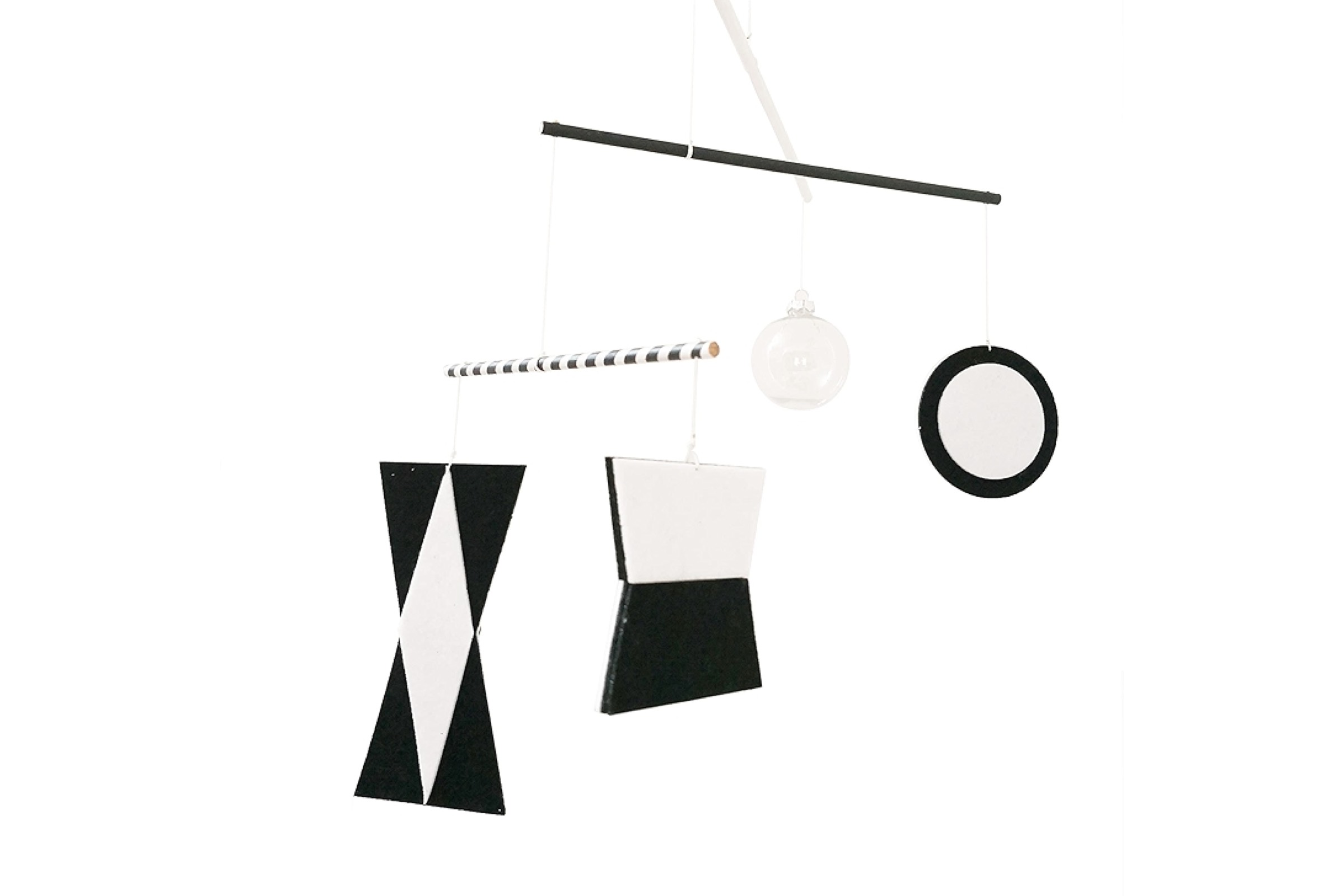
Some families also choose a Montessori floor bed rather than a traditional cot. A mattress placed safely on the floor allows babies to see more of their surroundings and, as your child grows, they begin moving in and out of their sleep space independently. This approach does require careful baby-proofing of the room, but it fosters freedom of movement and a sense of trust in the child’s abilities. For visual and sensory stimulation in this space, Montessori families often use mobiles in the early months. High-contrast black and white images appeal to newborn vision, while later mobiles introduce gentle colours and shapes that support visual tracking and concentration.
Equally important is the atmosphere of the home itself. Babies absorb not only what we give them physically but also the tone of the environment around them, like sponges. A calm, uncluttered space with gentle lighting and a steady daily rhythm can support a baby’s sense of safety and security. And as adults, the way we move and speak matters too. When we handle babies slowly, with gentle hands and calm voices, we communicate respect, and even very young infants sense when they are being hurried or treated as passive objects, and they respond when they are treated with patience and care.

Montessori also invites us to see everyday life as a learning opportunity. Feeding, nappy changes and bath time are not just tasks to rush through but moments for connection and growth, and provide wonderful opportunities for language development. You can make these routines more meaningful by slowing down, speaking to your baby about what you are doing, singing their favourite tunes and making purposeful eye contact. Saying something as simple as, “Now I am going to lift your arm so I can change your sleeve,” may feel small, but it tells your baby that you value them as an active participant in their care routine. Over time, these respectful interactions build trust and lay the foundation for healthy relationships.
For parents wanting to explore embedding Montessori practices with their infants further, there are some excellent books that provide guidance and inspiration.
- Montessori from the Start by Paula Polk Lillard and Lynn Lillard Jessen is a practical guide that covers the philosophy and offers detailed suggestions for preparing your home environment from birth.
- Understanding the Human Being by Dr Silvana Quattrocchi Montanaro is a thoughtful exploration of the first three years, written with warmth and insight by a Montessori physician.
- The Montessori Baby by Simone Davies and Junnifa Uzodike is a more recent book that is both modern and accessible, filled with photos, reflections, and practical ideas for parents navigating life with an infant
Each of these resources will help you understand how to adapt Montessori principles in a way that works for your own family.

Welcoming a baby into your life is a time of wonder, joy and adjustment. Embedding Montessori practices during this time is about creating a respectful, nurturing space where your baby feels secure, valued and free to grow at their own pace. By offering a calm environment, simple and purposeful materials, and engaging in meaningful connections in daily routines, you are already living Montessori. The habits of presence, trust, and respect you cultivate in these first six months will continue to shape your relationship with your child as they grow.