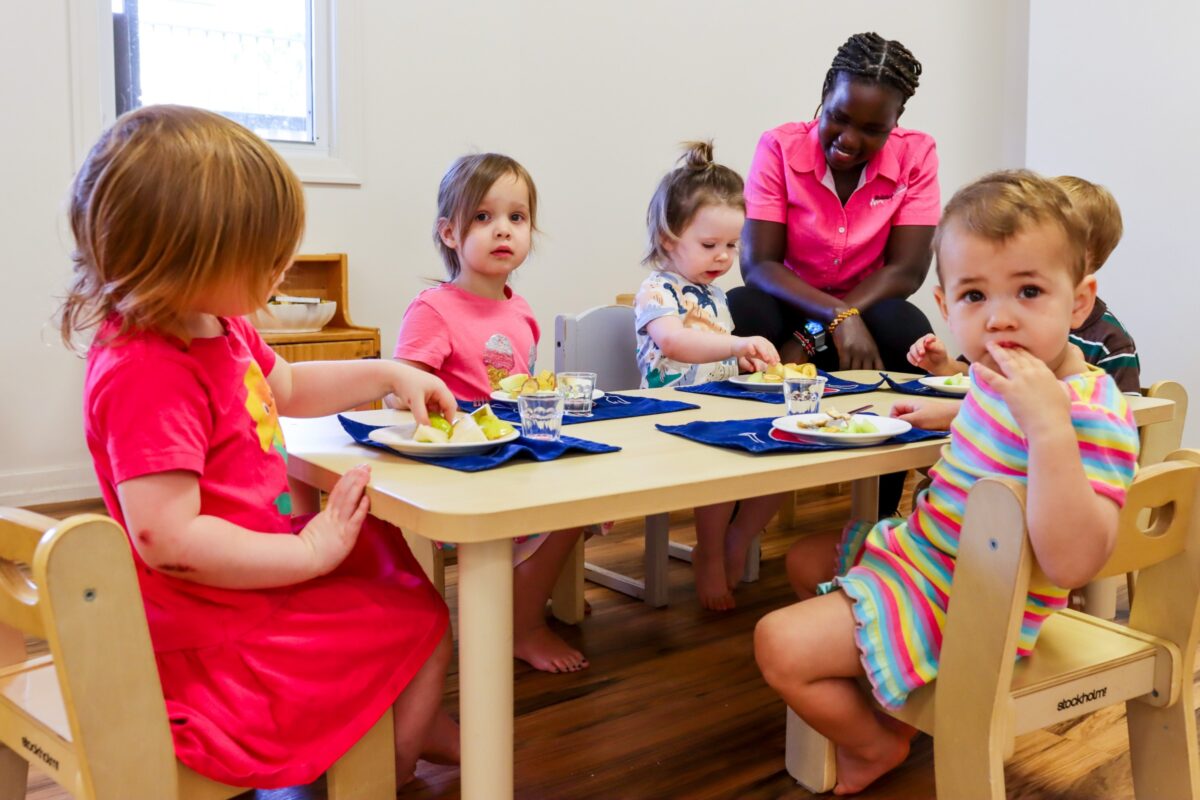
If you’re a parent curious about Montessori, it’s easy to feel overwhelmed and not know where to begin. A quick scroll through Pinterest or Instagram might have you thinking you need wooden everything, perfectly organised toy shelves and a calm child in linen overalls silently doing a puzzle. The reality? You don’t need to throw out your furniture or start from scratch. You can absolutely bring Montessori ideas into your home without pressing the reset button.
Here’s the good news: Montessori is more about mindset and everyday habits than having the “right” materials and look. It’s about respecting your child, supporting their independence and creating a space where they can grow into capable, confident people. And you can start doing that today without expensive purchases required.
1. Shift your mindset first
Montessori starts with how we see children. At the heart of it is an understanding that children are capable, curious and worthy of our respect. Instead of thinking of them as mini adults who need constant teaching or fixing, we observe them as their own people with their own timelines, their own needs and their own interests.
This shift in mindset is powerful.
It changes the way we respond when our child wants to do something “by myself.” Instead of stepping in, we pause, make space and support their effort, even when it’s slower or a lot messier. It helps us stop and ask: What is my child trying to do or learn here?, rather than jumping to correct or taking control.
You don’t need a shelf of Montessori materials to begin this way of thinking. You just need to start trusting your child a little more and watching with curiosity rather than judgment.
2. Support independence with what you already have
A big part of the Montessori principles and practices at home is helping children do things for themselves. That doesn’t mean letting them run wild or expecting them to act like adults. It means noticing where they can have a bit more control and setting them up to succeed.
You can start with small changes in your home:
- Place a step stool at the bathroom sink so they can wash their hands without help.
- Keep a few snacks and a cup or water jug within reach so they don’t always have to ask.
- Set up a low hook for their bag or hat so they can hang it themselves.
- Put their clothes in a lower drawer, so they can help choose and dress themselves (with simple choices of clothing items).
The goal isn’t to push independence but to invite it. When children are able to do things for themselves, they feel capable and trusted. And that confidence carries into all areas of life.
3. Create a simple, orderly space
Montessori spaces don’t have to look like a Pinterest board. But they do tend to be calm, uncluttered and thoughtfully arranged. Why? Young children thrive when their environment is predictable and inviting.
At home, this might mean:
- Rotating toys instead of having everything out at once on the shelf.
- Displaying a few books front-facing on a shelf or basket.
- Choosing open shelves over big toy boxes (so children can see and access what they want to play with).
- Keeping play materials at their height.
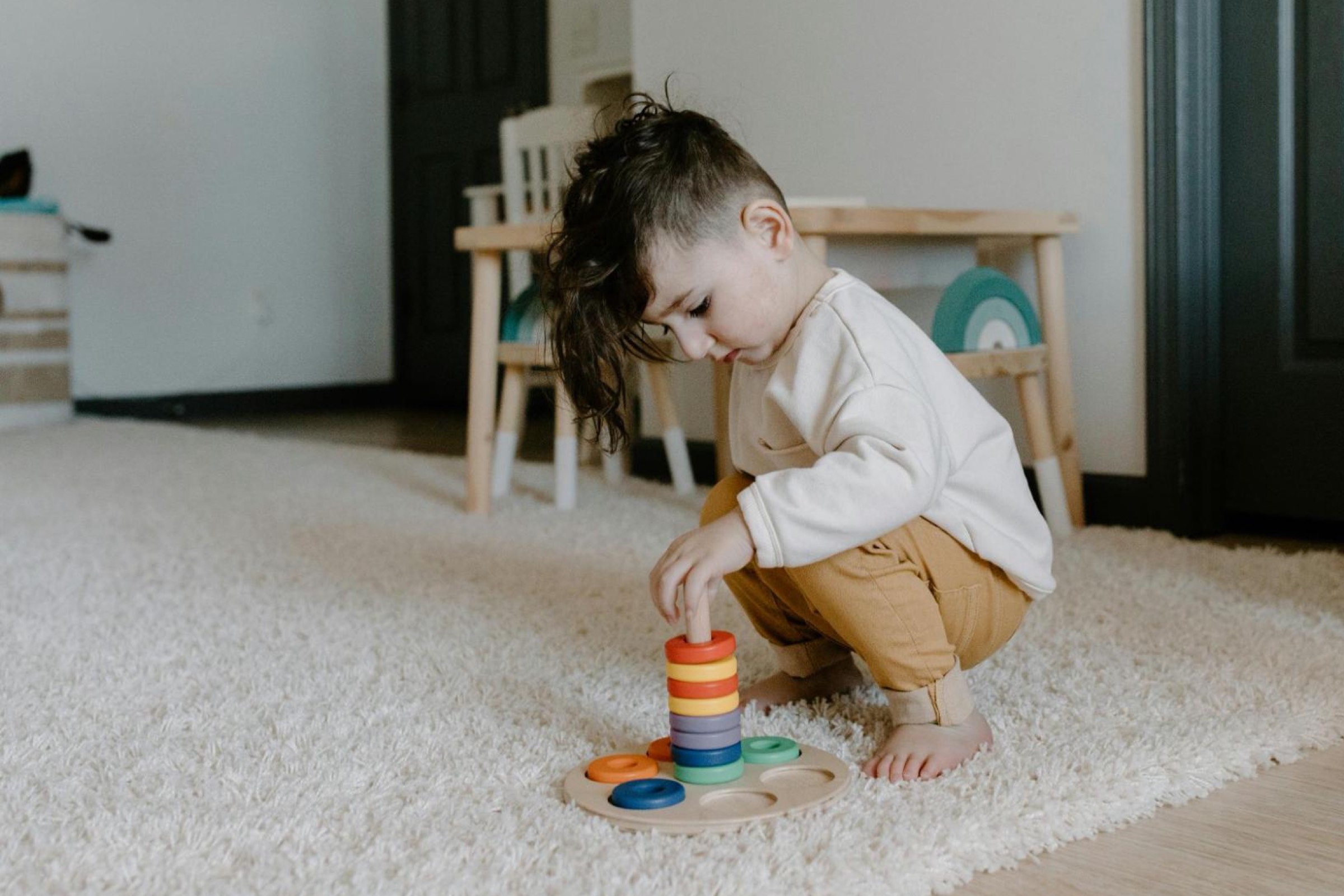
If that sounds like too much, start small. Choose one shelf or basket in your living room to organise. Pack away half the toys and see how your child responds. Often they engage more deeply when they’re not overwhelmed by choice.
And remember: it’s not about having all wooden or “Montessori-approved” toys. It’s about offering real, purposeful play materials that encourage focus, exploration and problem-solving.
4. Slow down and invite participation
Young children love doing what we do as daily tasks, such as cooking, cleaning, gardening or washing the car. What looks like chores to us is often fascinating to them. Montessori encourages us to include children in real-life task is not just play versions of them.
Invite them to help. Meal times are a great starting point. Give your child a safe knife and let them help chop a banana. Ask them to wipe the table in preparation or set up the cutlery required to eat. These moments build motor skills, focus, responsibility and a real sense of belonging.
Yes, it takes longer. Yes, there will be spills. But your child is learning far more from those moments than from a worksheet or app. And over time, they’ll surprise you with what they can do.
5. Follow their interests
A big part of Montessori is trusting that children learn best when they’re interested and engaged. You don’t need to plan themed activities every day. Just notice what your child is into right now and build on it.
Are they obsessed with birds? Set up some binoculars by the window and get a simple bird guide. Constantly stacking and unstacking things? Offer blocks, nesting cups or containers with lids. Interested in water? Set up a washing station outside with sponges and soapy bowls.
The key is to be a curious observer, not a constant entertainer. Your child will show you what they’re working on, but you just have to watch.
6. Practice Grace and Courtesy
Montessori places a lot of value on treating children with respect and modelling kind, calm communication. At home, that means things like:
- Getting down to eye level when speaking.
- Saying “please” and “thank you” to your child.
- Using a calm voice (even when setting boundaries).
- Apologising when we get it wrong.
We also teach children how to be respectful in return, not with punishments, but through modelling and gentle reminders. “In our home, we speak kindly. Let’s try that again.” Or, “I saw that you were frustrated. Let’s find a way to work it out together.” Montessori discipline isn’t permissive. It’s firm, kind, and consistent. And it starts with connection, not control.
7. Don’t aim for perfect
Don’t worry – Montessori at home doesn’t need to be all or nothing. You don’t have to transform your house into a classroom or spend hundreds on resources. You don’t need to follow every principle to the letter. Start small. Try one or two changes. See what works. Leave what doesn’t.
Some days you’ll forget to invite your child to help. Sometimes you’ll lose your temper. That’s okay. Montessori isn’t about perfection, it’s about presence, respect and the long game.
Using Montessori ideas at home doesn’t mean becoming a different kind of parent. It means bringing more intention, trust and calm into your daily routines. It means noticing what your child is showing you, and meeting them there. It means making space for them to grow, not on your timeline, but on theirs.
And the best part? The benefits go both ways. When we slow down, let go of a bit of control, and follow our children’s lead, we often find more connection, less power struggle, and a more peaceful rhythm to family life. Start where you are. Use what you have. Trust the process. Montessori is not a look, it’s a way of being with your child. And you’re already on your way!