If you’ve ever heard the word Montessori thrown around at a playgroup, an early education centre or on a school tour and wondered what it’s all about, you’re not alone. The term Montessori is often talked about as if everyone already knows what it means, but the truth is, many parents are still unsure of how and where it sits compared to traditional education.
Montessori in a nutshell
Montessori is an approach to education that was developed over 100 years ago by Dr Maria Montessori, an Italian doctor and educator. At its heart, it’s about respecting the individual child, seeing them not as a vessel to be filled with knowledge, but as a capable, curious human being who is already driven to learn. Montessori education isn’t just a set of teaching tools or classroom furniture. It’s a deep-rooted philosophy based on how children naturally develop and learn.
So what does that actually look like?
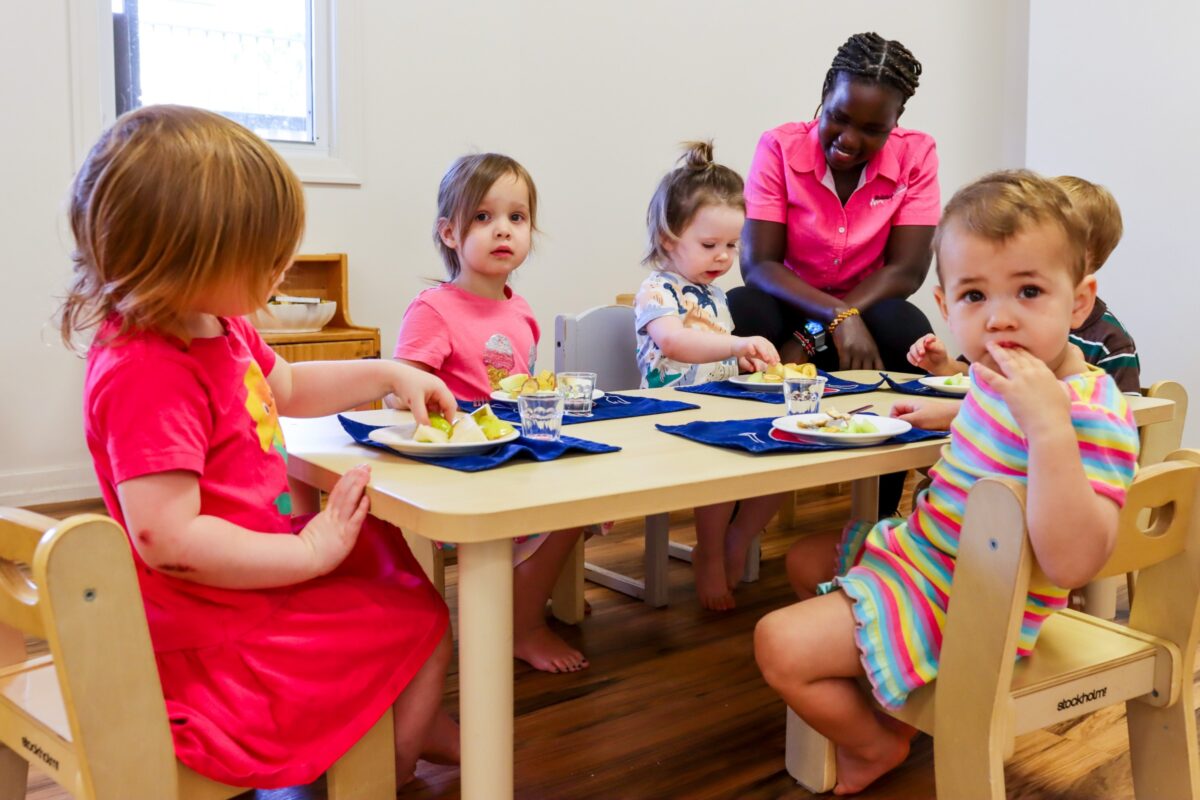
Montessori environments are designed to encourage independence, concentration and responsibility. Everything from the size of the furniture to the way activities are laid out is done with the child’s needs in mind.
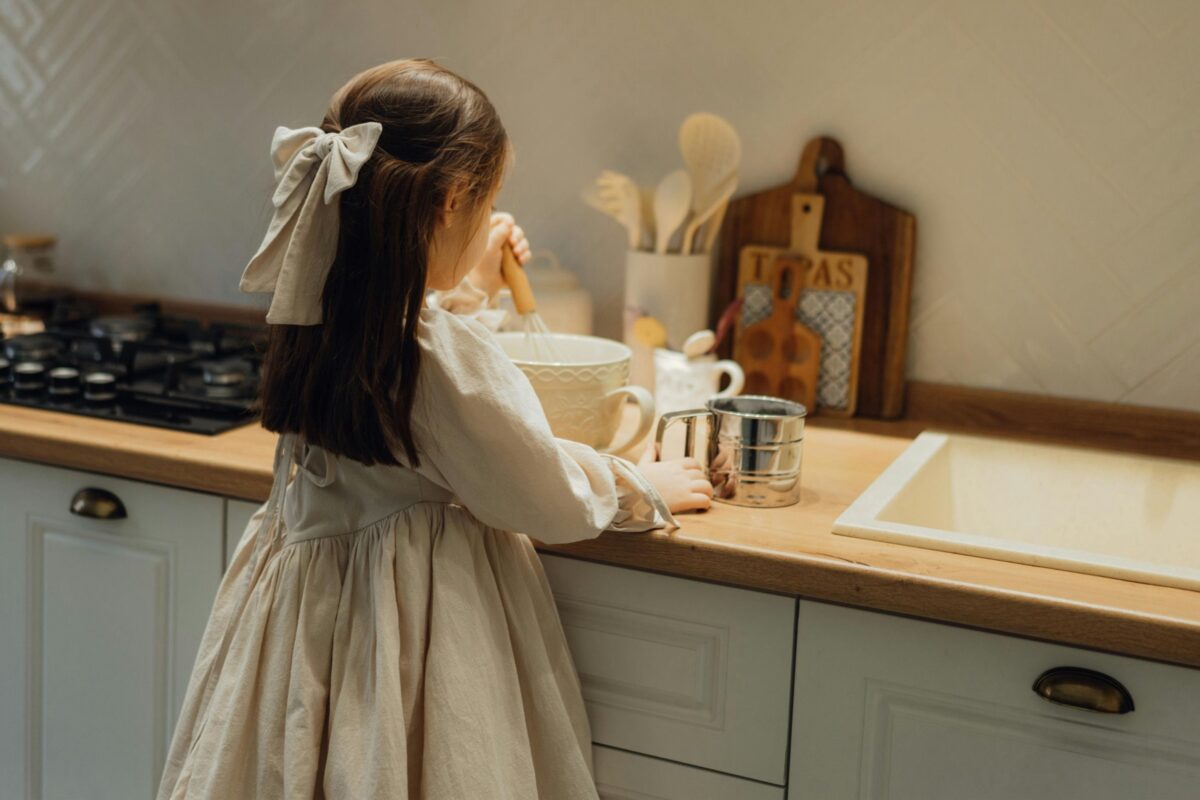
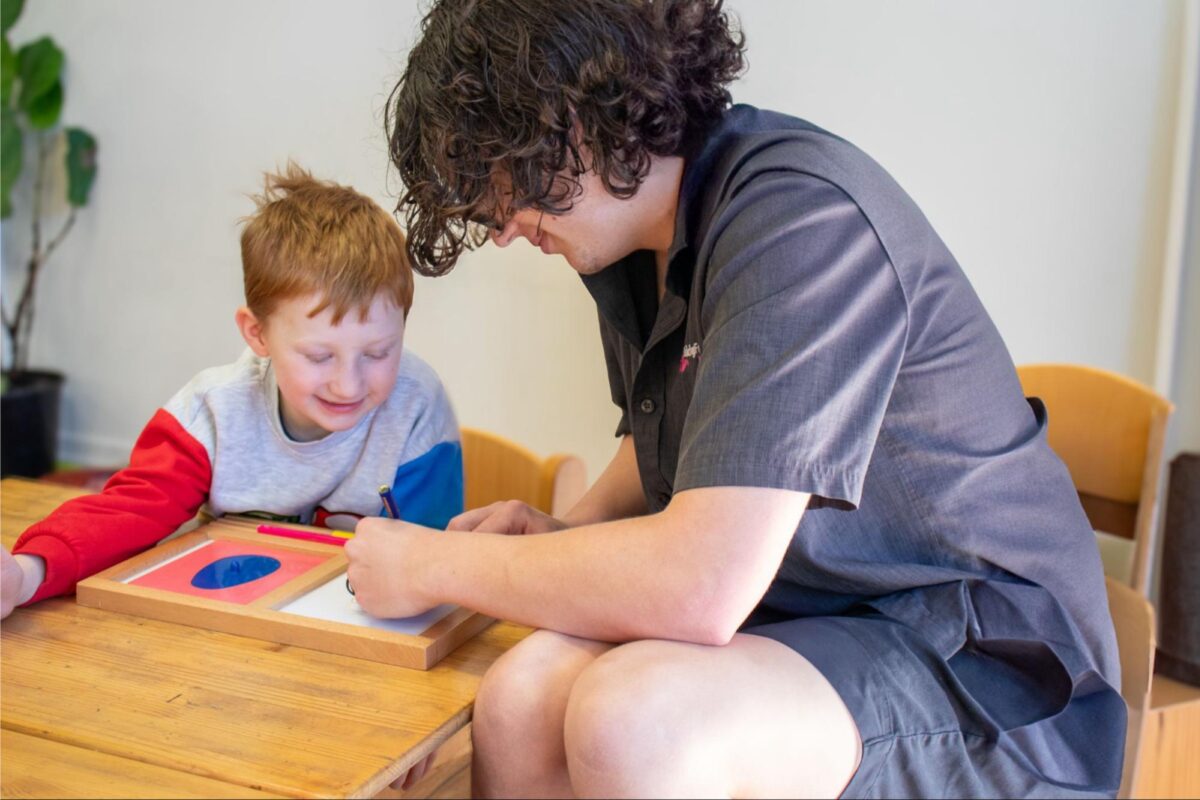
Instead of sitting still and listening to a teacher at the front of the room, in a Montessori classroom, the children move freely, choose their own work from a carefully prepared selection of activities, and learn at their own pace, guided by a Montessori educator. The children might be seen washing a table, counting beads, tracing letters made with sandpaper, or arranging flowers in a vase; all activities that build coordination, thinking skills and confidence.
Why our parents love it
One of the biggest reasons parents are drawn to Montessori at Building Futures Montessori is because it aligns with what we often want most for our children: independence, calm, confidence and a genuine love of learning. Montessori isn’t about rushing kids to read or pushing academics early. It’s about helping them develop the tools they’ll need for life with the ability to focus, problem-solving, respect for others and care for their environment.
It also honours each child as an individual. There’s no pressure to compete or “keep up”; instead, children are encouraged to follow their own interests and learn in the way that works best for them.
Is it all or nothing?
Not at all. You don’t need to send your child to a Montessori centre and buy exclusive Montessori materials from the home to embrace the Montessori approach. Simple changes like giving your child time to do things for themselves, using respectful language or creating small routines can make a big difference and increase the cohesion between home and the centre. Montessori is a mindset. It asks us to slow down, trust our children, and see them as capable from the very beginning.
Montessori is about helping children become independent, thoughtful, lifelong learners by creating environments that support their natural development. It’s calm, respectful, and grounded in a deep trust in the child. And for busy parents? It offers a gentle reminder that sometimes, the best thing we can do is step back, observe, and let our children show us what they’re capable of.