Why Montessori isn’t just an Instagramable trend (and what makes it timeless)

If you’ve spent time on social media lately such as TikTok, Pinterest and Instagram you’ve probably seen Montessori-inspired playrooms, wooden toys, and Reels of toddlers pouring water or cutting fruit with real knives. It’s easy to think Montessori is the latest parenting trend; a minimalist aesthetic with a focus on beige tones and toy rotation. But behind the social media glitter and shine is something much deeper.
Montessori isn’t a fad, and it’s nothing new. It’s not a style of parenting or a brand of toys. It’s an education and developmental philosophy that’s been quietly transforming childhoods around the world for more than 100 years. So why is it suddenly getting so much attention, and what’s made it last? Let’s unpack what makes Montessori truly timeless.
It’s based on how children naturally learn
At the heart of Montessori is a deep respect for the child. Dr Maria Montessori developed her approach by observing children closely and seeing what helped them thrive. She noticed that children learn best when they’re free to move, free to explore, and free to choose activities that interest them. She saw that concentration, independence and joy came not from being taught in the traditional sense, but from doing things for themselves. Montessori education was built on the framework of following the child’s lead, not the adult’s timetable.
That core idea, trusting children and supporting their natural development, is just as relevant today as it was in 1907.
Montessori fosters skills that will always matter
Montessori isn’t about early academics or getting ahead. It’s about developing the skills and qualities needed to navigate the world that last a lifetime, such as independence, confidence, problem-solving, empathy, focus and resilience. These aren’t things that go out of style. They’re timeless traits that prepare children not just for early education, but for life.
In the early years especially, Montessori helps children:
- Build concentration through uninterrupted play
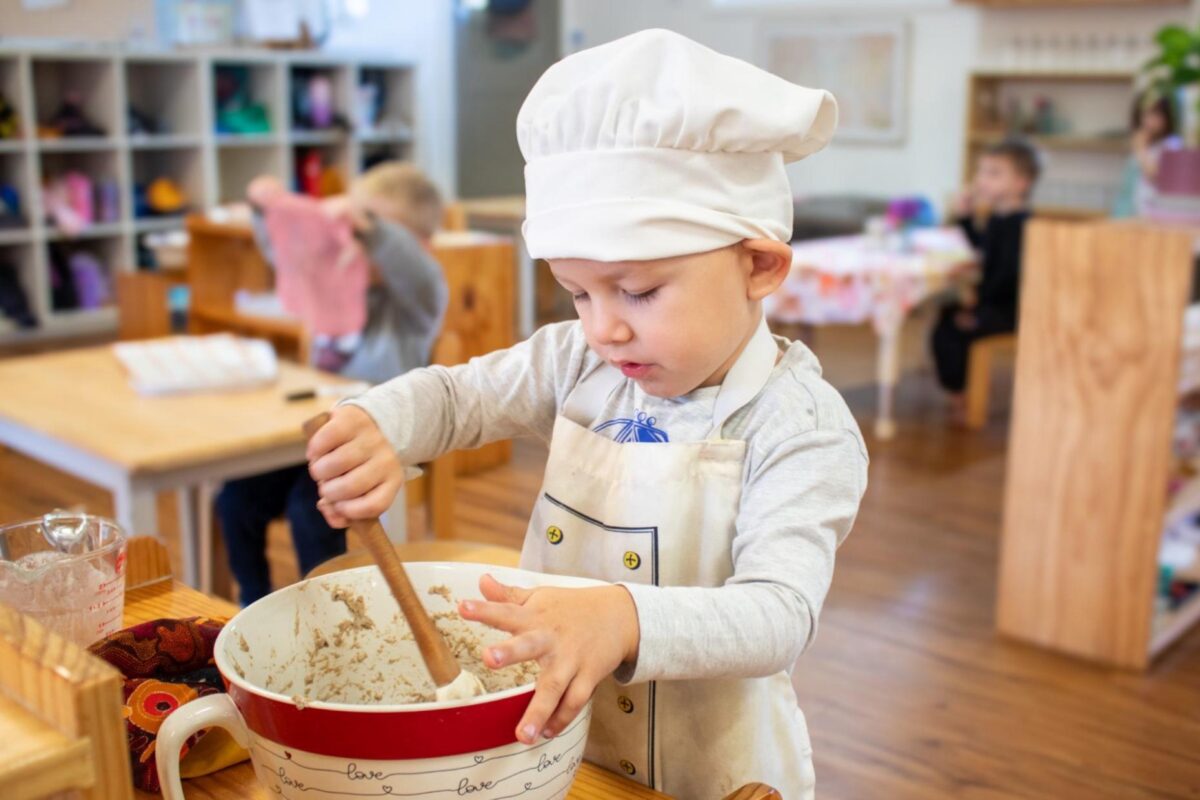
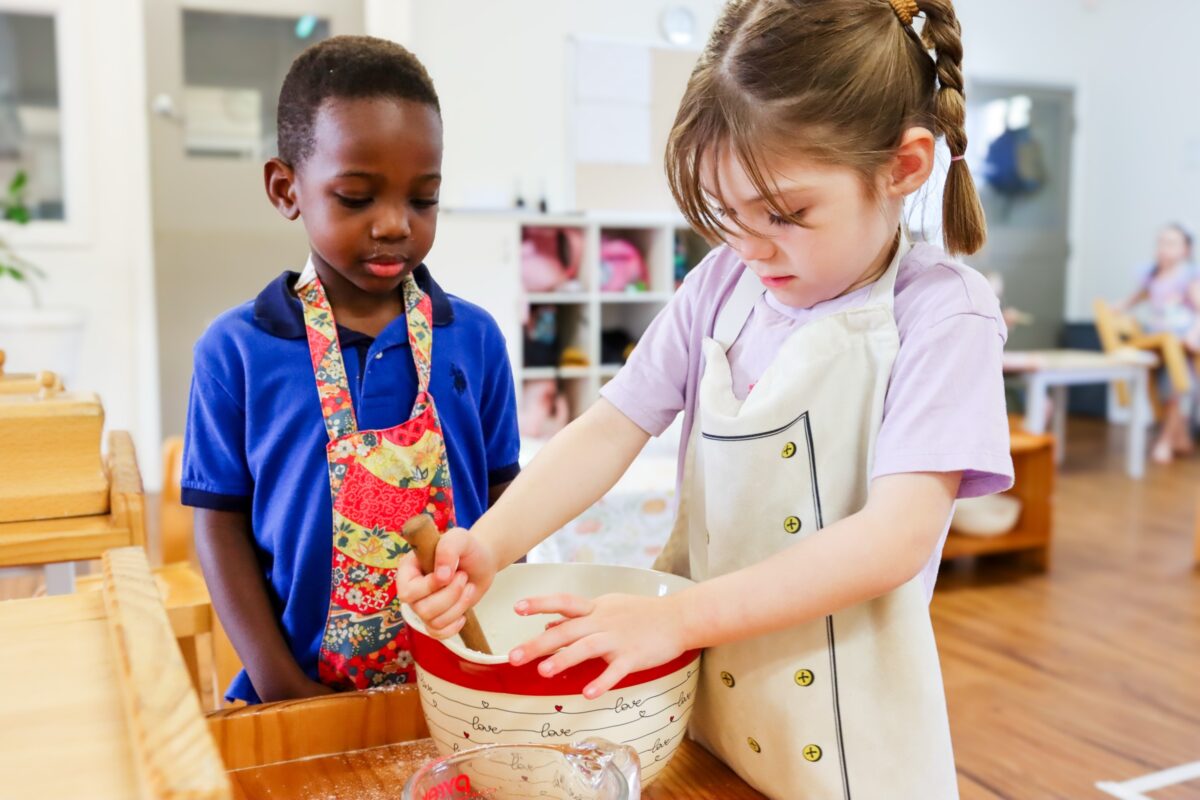
- Develop fine motor skills by using real tools and materials
- Learn to care for themselves, others, and their environment
- Feel respected and capable
- Solve problems through hands-on experiences
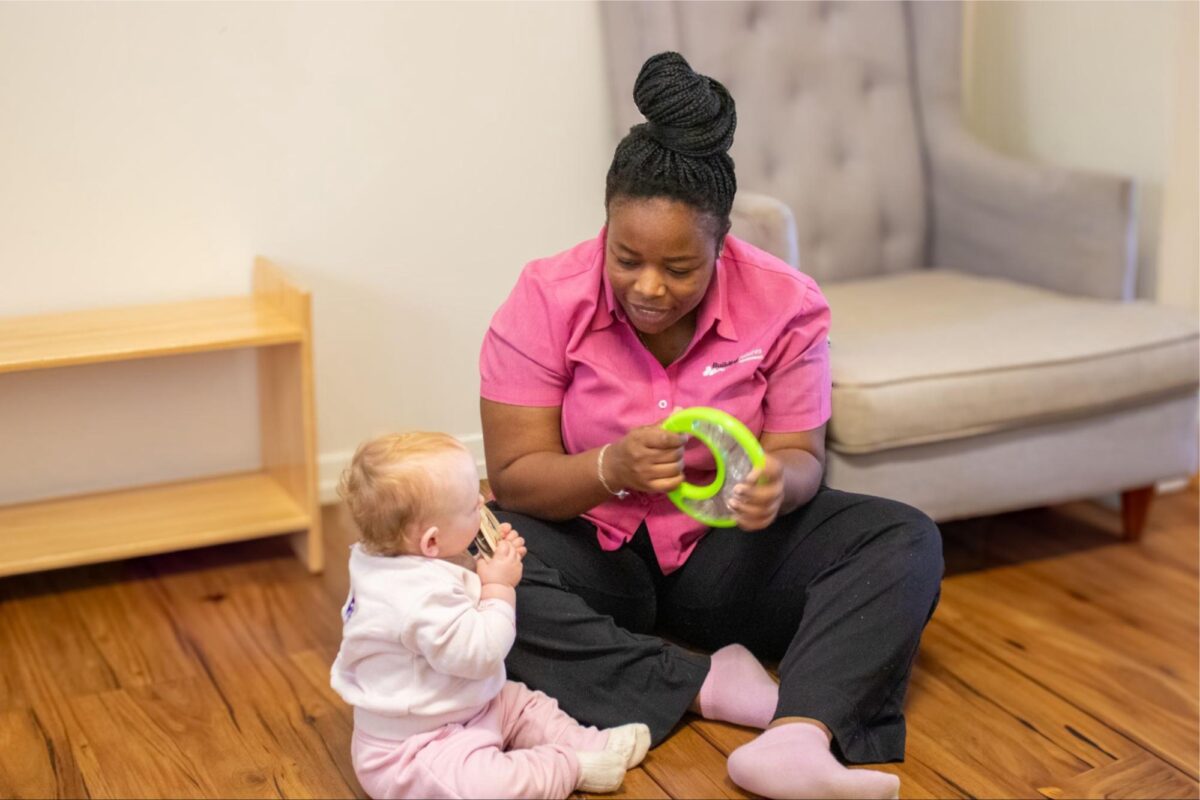
- Build social awareness in mixed-age communities
No matter how the world changes, these are the foundations every child needs.
It respects the pace of childhood
One of the reasons Montessori feels so different to many families is that it doesn’t feel rushed. It doesn’t assume faster is better. Instead, it gives children the time they truly need. Time to try, time to struggle a little, time to succeed on their own terms. In a world that often pushes children to perform, Montessori gently invites them to grow. That slow, steady, respectful pace might not make the grid on Instagram, but it’s exactly what young children need to build real confidence.
It works in any time, place and culture
Montessori is now used in thousands of schools and early learning centres across the globe. Why? Because it isn’t tied to one language, one religion or one curriculum. It’s grounded in universal human development. Whether you’re in suburban Brisbane, rural Cambodia or downtown Tokyo, the basic needs of a young child to move freely, be respected, contribute meaningfully, and explore their environment remain the same.
This adaptability is what makes Montessori timeless. It can be practised in a purpose-built Montessori school, your home or even just in the way a parent speaks to their child.
It prepares children for a changing world
The future our children are growing up in is uncertain and rapidly changing. The jobs they’ll do may not even exist yet. So, how do we prepare them for their future? Montessori doesn’t focus on memorising facts or standardised testing. It focuses on how to learn, how to adapt, how to think critically and work collaboratively. These skills are future-proof. A Montessori child is encouraged to be curious, to ask questions, to care deeply about their world and their place in it. That’s not a trend, it’s a necessity.
It’s bound in respect and humanity
Perhaps the most powerful reason Montessori continues to resonate today is its quiet call for dignity for both children and adults. It asks us to slow down, to listen and to see the child as a whole person from the very beginning.
In a noisy, fast-paced, achievement-driven world, Montessori offers something profoundly different: connection, calm and trust. It’s not flashy. It doesn’t shout. But for more than a century, it’s changed the way we understand childhood—and that’s something worth holding on to.
Montessori might be trending on Instagram and TikTok, but its roots go far deeper than what’s visible online. It’s not about the wooden toys or the perfect routines. It’s instead about recognising what children truly need to thrive, and creating environments that honour that. So no, Montessori isn’t a trend. It’s time-tested, it’s child-centred, and it continues showing up across generations, across cultures and across homes and classrooms around the world.